 Sophie Bramwell
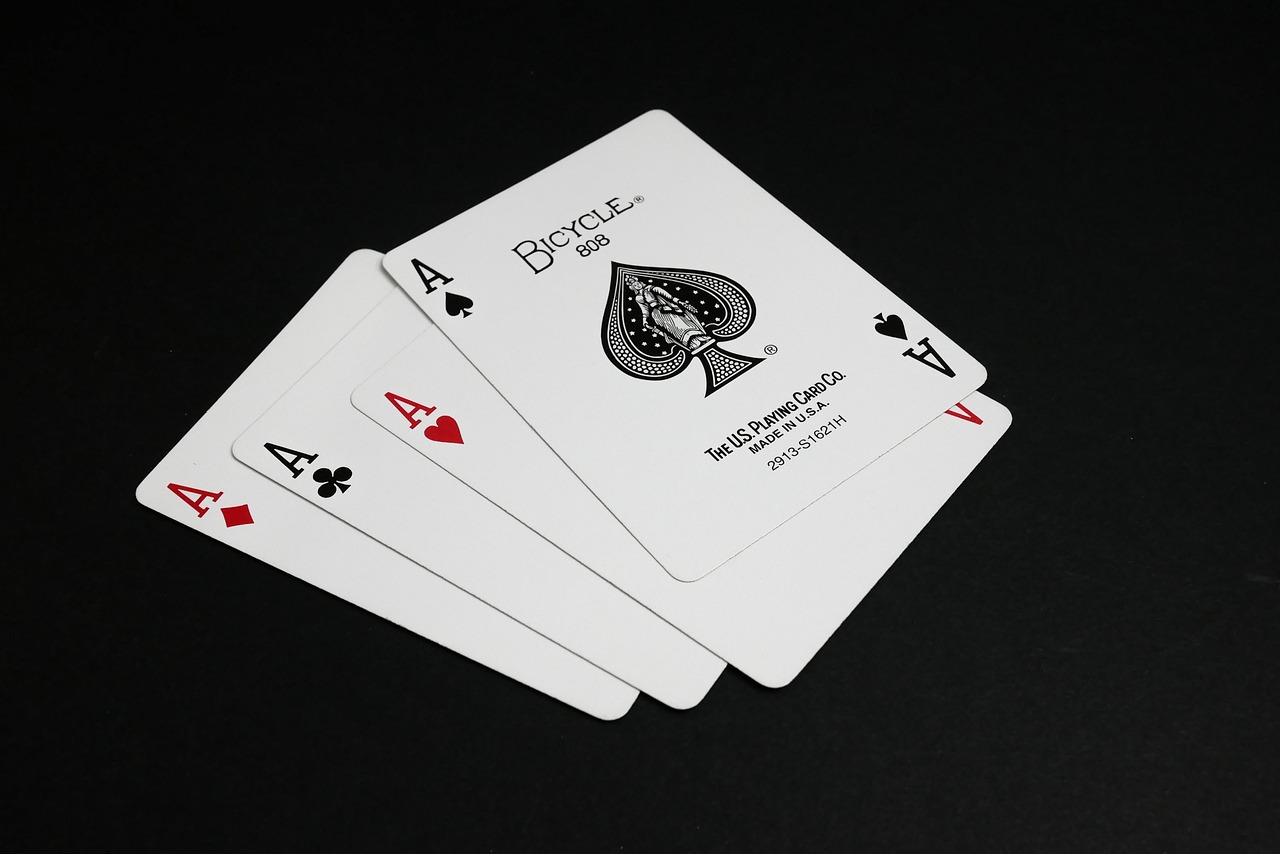
There's a moment every gambler knows: the screen loads, the cards deal, the reels spin, and for a few seconds nothing else exists. That feeling—part adrenaline, part math, part pure hope—is what the iGaming industry has been chasing since the first online casino flickered to life in the mid-1990s. Today it's a $100 billion-plus global machine spanning slots, poker rooms, sportsbooks, and live dealer studios. But strip away the flashy bonuses and 4K streamed blackjack tables, and the fundamentals haven't changed much. You're still playing a game of edges, and the house usually has one. What has changed is how cleverly those edges are packaged.
The House Edge Is Not a Villain—It's the Whole Point
Ask ten casual players what RTP means and you'll get ten vague answers. Ask a professional and you'll get a number: 96.5%, 94.2%, 99.5% for a video poker machine played perfectly. Return to Player is the percentage of all wagered money a game pays back over millions of spins. A slot with 96% RTP keeps $4 of every $100 cycled through it—on average, over time, in theory. That's the house edge, and it's not a scam. It's the business model. Understanding this single number separates players who treat gambling as entertainment from those who treat it as a fantasy of easy money.
Here's where it gets interesting. Not all games are created equal: Many readers start with ONBET when comparing options.
- Blackjack (basic strategy): house edge around 0.5%
- Baccarat (banker bet): roughly 1.06%
- European roulette: 2.7%
- American roulette: 5.26% (that extra double-zero matters)
- Online slots: typically 2% to 10%, sometimes higher
- Video poker (Jacks or Better, perfect play): can dip under 0.5%
If you care about longevity of your bankroll, this list should be tattooed somewhere visible. The slots you love are often the most expensive way to spend an evening—and that's fine, as long as you know it going in.
Slots: Where Volatility Beats RTP in the Real World
RTP is the long-run average, but you'll never play the long run. You'll play a few hundred spins on a Tuesday night. That's where volatility (also called variance) takes over. A high-volatility slot like Book of Dead or Bonanza might pay 96% RTP, but that 96% is concentrated in rare, massive wins. You can spin 500 times and hit nothing meaningful. Low-volatility games like Starburst or most classic 3-reel machines dribble out small wins constantly—less thrilling, more sustainable.
Modern slot design leans hard into volatility because big win potential is better marketing than steady grind. Megaways engines (introduced by Big Time Gaming in 2016) can produce 117,649 ways to win and payouts in the tens of thousands of times your stake. The trade-off? Dead spins. Lots of them. If you don't have the bankroll to survive 300 spins without a feature, a megaways slot will eat you alive.
A few practical habits that actually matter:
- Check the RTP in the game info screen. Online, the same slot can be configured differently across casinos—95.5% at one, 92% at another. It's legal and common.
- Match volatility to your session budget. £50 bankroll? Low or medium volatility. £500 with an appetite for risk? Go wild.
- Ignore bonus buy features unless you've done the math. Buying a free spins round for 100x your stake doesn't change the RTP—it just accelerates variance.
Poker Is the Only Game Where You Can Actually Have an Edge
Here's the uncomfortable truth for slot players: in poker, you're not playing against the house, you're playing against other people. The house takes a rake—usually 5% capped at a few dollars per pot—and steps aside. That means a skilled player can genuinely win long-term. It also means a mediocre player gets slowly bled dry by people who study ranges, pot odds, and combinatorics.
The gap between 2000s-era poker and today is enormous. Pre-Black Friday online poker was soft; you could profit playing straightforward ABC poker. Now? Even micro-stakes ($0.01/$0.02) tables are filled with players who understand GTO solvers and 3-bet ranges from the small blind. The easiest money today is in live low-stakes cash games and certain tournament formats—not online cash, where the regs feast.
If you're learning, focus on these before anything else: There is a useful overview at ON BET.
- Position. It's worth more than your cards half the time.
- Bankroll management. 20 buy-ins minimum for cash, 100 for tournaments.
- Preflop discipline. Folding 80% of hands from early position isn't tight—it's correct.
- Tracking software (where legal). Hand histories reveal leaks you can't see in real time.
Bonuses, Sportsbooks, and the Fine Print Trap
Welcome bonuses look generous: 100% match up to $500 plus 200 free spins. Then you read the terms. Wagering requirements of 40x on the bonus and deposit, game contributions that count slots at 100% but table games at 10%, a seven-day expiry, and a maximum bet per spin of $5 while clearing. Suddenly that $500 bonus is a $20,000 wagering obligation with a ticking clock. Not impossible, but the casino is betting you won't finish—and the math is on their side.
Sports betting has its own version of this. Free bets and odds boosts come with restrictions: minimum odds, no cash-out, stake not returned. A “risk-free” $50 bet usually means you get a $50 free bet token if you lose, not your money back. Read the terms. Every time. Casinos and sportsbooks are not charities, and the marketing is designed to make you forget that.
A Reality Check on “Beating the System”
Every few months, a viral story claims someone cracked the slots, exploited a sportsbook glitch, or found a guaranteed poker strategy. Professional advantage players do exist—card counters, arbitrage bettors, poker pros, and bonus hunters who work in coordinated teams. But the barrier to entry is brutal: the work is tedious, the edges are small, accounts get limited or banned, and the hours are long. For 99% of players, the honest goal is entertainment with a budget you can afford to lose.
If you treat iGaming like a night out—set a loss limit, stick to games whose edges you understand, and never chase—it can be genuinely fun. If you treat it like an income plan, the math will find you eventually. The house doesn't always win tonight, but it wins across the millions of hands and spins that make up its business. That's not cynicism. It's the design.


