 Sophie Bramwell
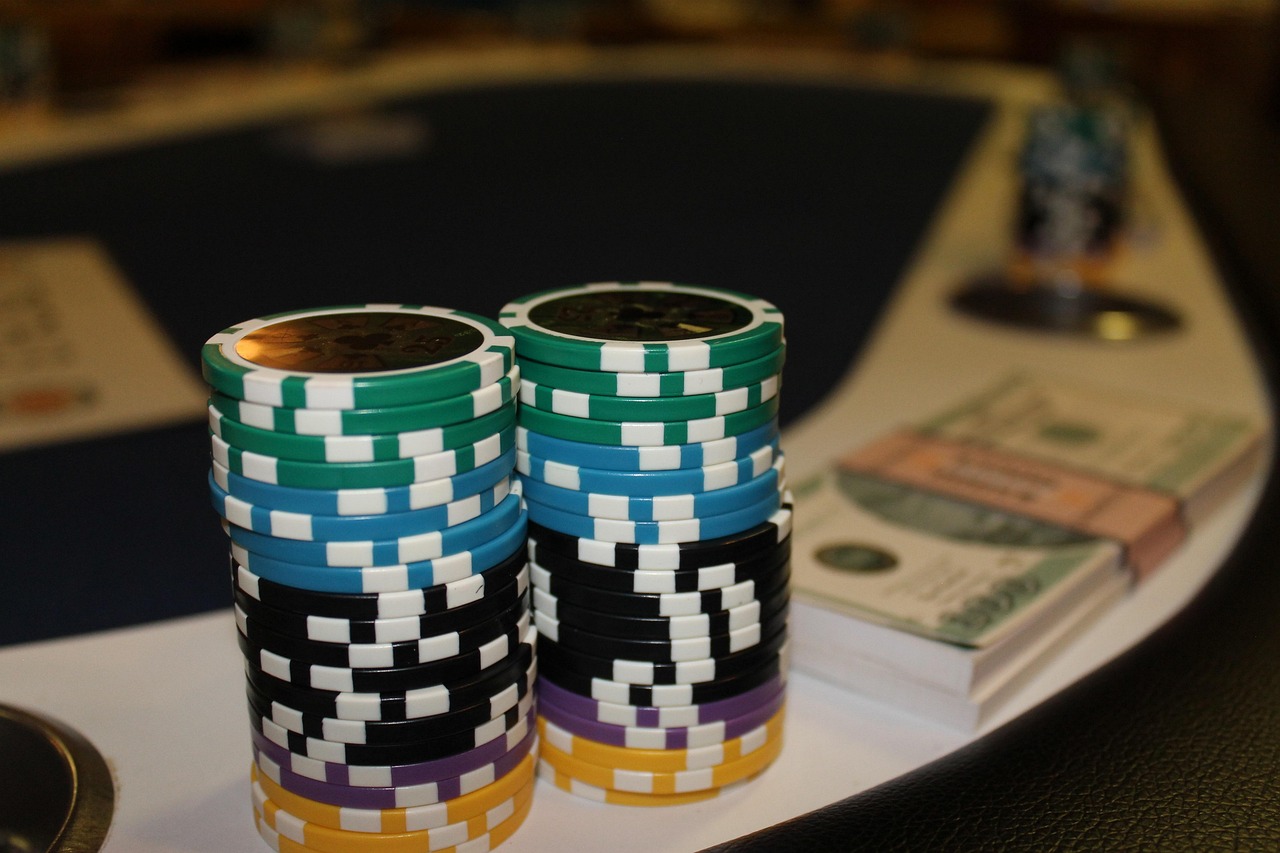
Every casino floor tells the same story in neon: the house has an edge, and over enough spins or hands, that edge grinds you down. Yet the same math that bankrupts the reckless also rewards the patient. The difference between a player who walks away up and one who empties their wallet rarely comes down to luck alone. It comes down to understanding what you're actually playing, where the value hides, and when to stop.
Whether you're spinning slots at 2 a.m., grinding a poker table, or hunting a soft line on a Sunday afternoon, the fundamentals don't change. Here's what separates the casual from the calculated.
Know Your House Edge Before You Bet a Cent
The single most useful number in iGaming is the house edge, and most players never look at it. It's the statistical advantage the casino holds on every wager, expressed as a percentage. Slots sit anywhere from 2% to 15% depending on the machine and jurisdiction. European roulette runs about 2.7%. Blackjack with basic strategy can drop below 0.5%. Baccarat's banker bet hovers around 1.06%.
That gap matters more than any hot streak. A $100 bankroll cycled through a 10% edge slot machine with a 96% RTP will theoretically lose far more per hour than the same money on a low-edge blackjack table. This is why serious players treat game selection as a skill, not a whim.
- Slots: RTP is typically 94–97% online, but volatility determines how you experience it. High-volatility slots pay rarely but huge; low-volatility ones drip small wins consistently.
- Video poker: Jacks or Better at full pay returns 99.54% with perfect play. That's better than most table games.
- Poker: Here you're not playing the house, you're playing other people. The rake is the only edge against you, and a skilled player can be +EV against weaker opponents.
If you take nothing else away, take this: check the RTP and rules before you deposit, not after. A two-minute read can save you hundreds.
Bankroll Management Is the Real Skill
You can play perfectly and still go broke if your bankroll is too thin or your bets too aggressive. Bankroll management isn't glamorous, but it's what keeps you in the game long enough for variance to even out.
A working rule among professional gamblers is to never risk more than 1–2% of your total bankroll on a single bet, and to keep separate bankrolls for different games. If you have $1,000 set aside for blackjack, your unit bet should be $10–$20. If you're playing a turbo tournament in poker, buy-ins at $5–$20 keep you alive through downswings. 88CLB is a solid starting point for anyone new to this.
- Decide your bankroll before you sit down, and treat it as spent.
- Set a stop-loss (say, 30% down) and a stop-win target so you actually cash out.
- Don't chase losses with bigger bets. The math doesn't care about your feelings.
- Track results over at least 500–1,000 hands or spins before judging your performance.
Emotional decisions destroy bankrolls faster than bad luck ever will. Tilt in poker is a documented phenomenon, and it's just as real when you're hammering the spin button after six dead spins.
Slots: Volatility, Bonuses, and the Truth About 'Due' Machines
Let's kill a myth right now: slot machines don't get "due." Each spin on a modern RNG-based slot is independent. A machine that hasn't paid in 500 spins is not more likely to hit on the 501st. What you're seeing is the natural clustering of random events, and humans are terrible at recognizing randomness.
What does matter is volatility and bonus mechanics. A high-volatility slot like a classic Megaways title can go 200 spins without a meaningful win, then hand you 800x on one drop. Low-volatility games keep you afloat but rarely change your life. Match your tolerance to the game, not the other way around.
Also, check the maximum cashout on bonus offers. A 100% deposit match sounds generous until you realize it carries a 40x wagering requirement with a 5x max cashout on a $100 bonus. Suddenly that "free money" is a $2,000 turnover grind with a $500 ceiling. Read the terms. Every time.
Poker: Where the Edge Is Real and Repeatable
Poker is the one game in the casino where you can genuinely be the house. You're not fighting a 2% margin; you're fighting opponents, and their mistakes are your income. The rake (typically 5% capped at $3–$5 in cash games) is the only built-in cost, which means a disciplined player can beat it.
Position is king. Playing fewer hands from early position and aggressively from the button is the fastest route to profitability. Bankroll variance can be brutal: even a strong player can lose 20 buy-ins in a downswing. That's why pros treat poker as a marathon, not a session. And in tournaments, the payout structure rewards survival, so tightening up early and attacking near the bubble is often correct.
If you're new, play micro-stakes, study hand ranges, and never move up in limits after a lucky night. Move up when your win rate holds over 20,000+ hands.
Bonuses, Promotions, and the Small Print That Bites
iGaming sites compete fiercely for your deposit, and the offers can be genuinely valuable, or genuinely predatory. The good ones have clear, atomic wagering terms. The bad ones bury restrictions in clause 14b. This is explained well on 88CLB COM.
- Wagering requirement: the number of times you must bet the bonus before withdrawing. 30x+ is high; under 20x is decent.
- Game weighting: slots usually count 100%, but table games might count 10% or not at all. A "casino bonus" that excludes blackjack is really just a slot bonus.
- Expiry: bonuses can expire in 7–30 days. Miss it and the winnings vanish.
- Cashout caps: sometimes your bonus winnings are capped, even on large wins.
Welcome bonuses are fine, but the real value for regulars is in loyalty programs and rakeback. If you're playing several times a week, a 0.1% rakeback on volume beats a one-time match bonus every time.
The Bottom Line
The house edge is real, but it's not fate. It's a variable you can manage through game choice, bet sizing, and discipline. Slots are entertainment with a built-in cost, poker is a skill game with a beatable margin, and table games sit somewhere in between based on how well you actually know the strategy.
The players who last aren't the ones chasing gut feelings or doubling down on a cold streak. They're the ones who read the RTP, size their bets sensibly, and walk away when the plan says walk. That's not gambling advice dressed up as wisdom. That's just treating your money with the same respect the casino treats its own.


